Peer-Reviewed Publications
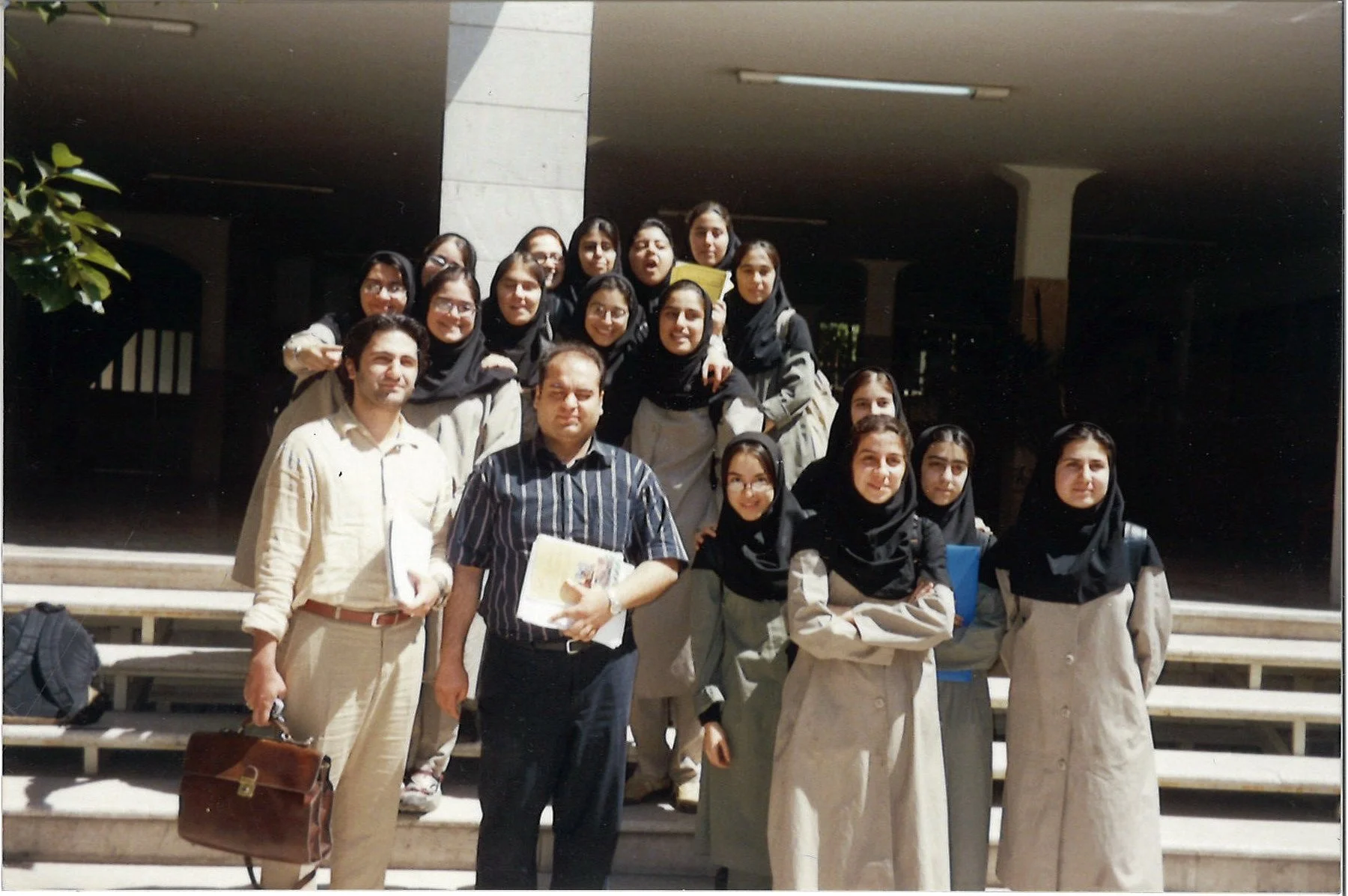
Figure 2. Abu Reihan All-Girls High School, Tehran, Iran, 2003.
“Morality Police by (M)Any Other Name(s): Misappellation, Misdirection, and Emotional Miscommunication in Iran’s Woman*, Life, Freedom Uprisings.”
Forthcoming in Signs: Journal of Women in Culture and Society.
“Necrogeographies: War, Mourning, and the Aesthetics of Allegory in Gohar Dashti's Photographs.”
Sareh Z Afshar. 2025. “Necrogeographies: War, Mourning, and the Aesthetics of Allegory in Gohar Dashti’s Photographs.” Interventions: International Journal of Postcolonial Studies, special issue on “Feminism/Memory/Activism,” edited by Rosanne Kennedy and Sandra Young, Vol. 28, 1: 165–88. https://doi.org/10.1080/1369801X.2025.2529218.

Figure 11. “Untitled #4” from the series Today’s Life and War / 2008 / 70x105 cm / Courtesy of the artist, © Gohar Dashti.
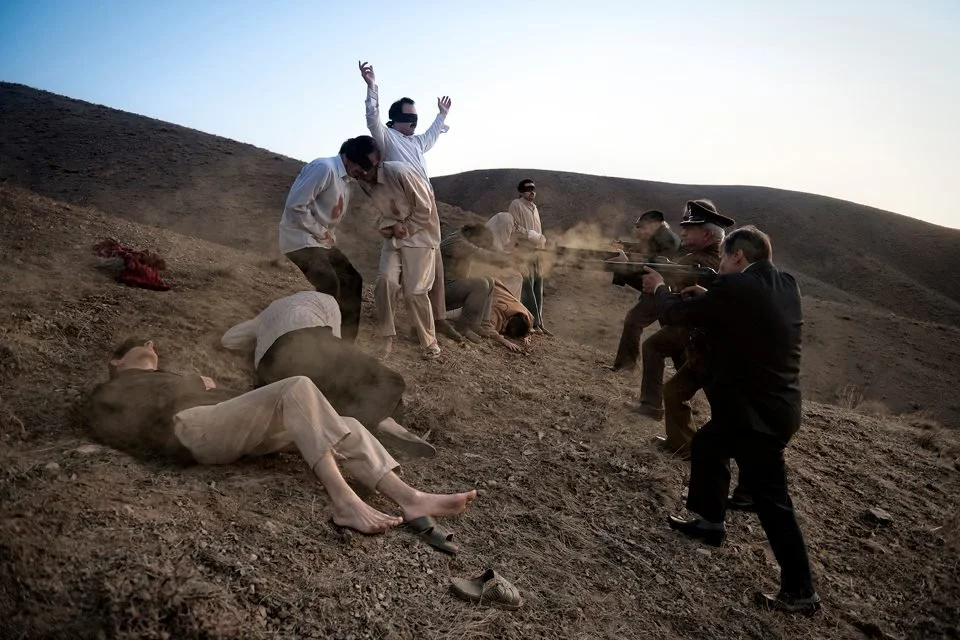
Figure 7. On 18 April 1975, leftist intellectual Bijan Jazani was executed in Tehran’s Evin Hills under mysterious circumstances. By an Eye-Witness, 2013. (Photo by Azadeh Akhlaghi)
“Postrevolutionary Retrojection:
Azadeh Akhlaghi Stages 17 Deaths in Iran.”
Sareh Z Afshar. 2020. “Postrevolutionary Retrojection: Azadeh Akhlaghi Stages 17 Deaths in Iran.” TDR/The Drama Review: The Journal of Performance Studies Vol. 64, No. 1 (T245): 36–61. https://doi.org/10.1162/dram_a_00895.
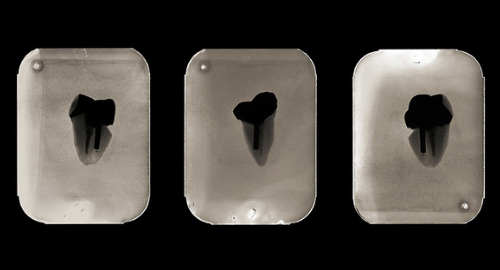
Image: X post facto, 2009–2013 © Muriel Hasbun.
“Tracing the Image, Imagining the Trace: Seeing Through, Looking Between, and Feeling with Muriel Hasbun’s X post facto.”
Sareh Z Afshar. 2012. “Tracing the Image, Imagining the Trace: Seeing Through, Looking Between, and Feeling with Muriel Hasbun’s X post facto.” e-misférica, special issue “On the Subject of the Archives,” edited by Marianne Hirsch and Diana Taylor, Vol. 9, No. 1–2.
Spanish translation: “Reflexiones sobre la serie de fotografías X post facto de Muriel Hasbún.” El Faro Academico (2013): www.elfaro.net/es/201310/academico/13627.
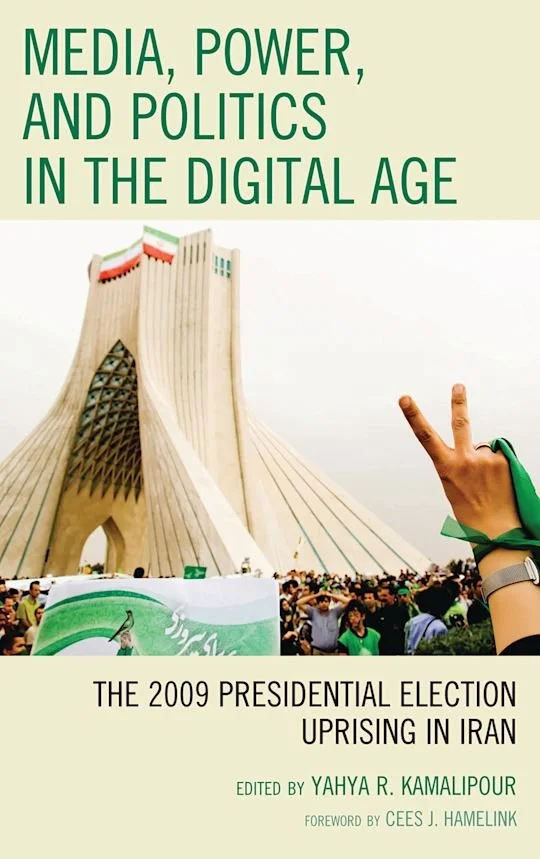
Image: Book cover of Media, Power, and Politics in the Digital Age: The 2009 Presidential Election Uprising in Iran, edited by Yahya R. Kamalipour.
“Are We Neda? The Iranian Women, the Election, and International Media.”
Sareh Z Afshar. 2010. “Are We Neda? The Iranian Women, the Election, and International Media.” In Media, Power, and Politics in the Digital Age: The 2009 Presidential Election Uprising in Iran, edited by Yahya R. Kamalipour, 235–250. Lanham, MD: Rowman and Littlefield Publishers.
Other Writing
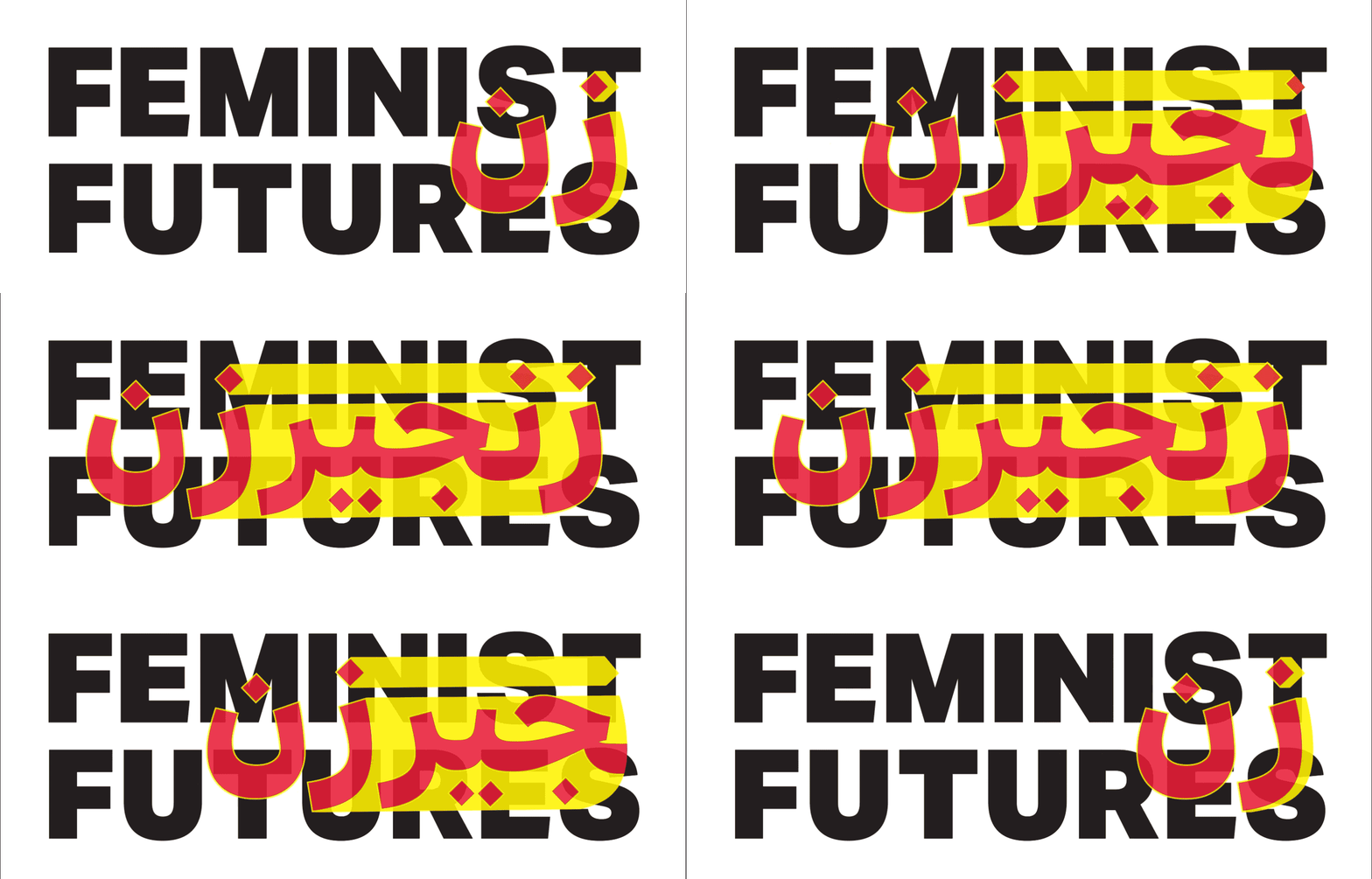
Sareh Z Afshar. 2025. “When Zan Became Zanjeer-Zan: Jina’s Revolution, Retold.” In Feminist Futures, edited by Narges Bajoghli and Sareh Afshar, 29 September, www.feministfutures.org/feminist-futures/when-zan-became-zanjeer-zan.
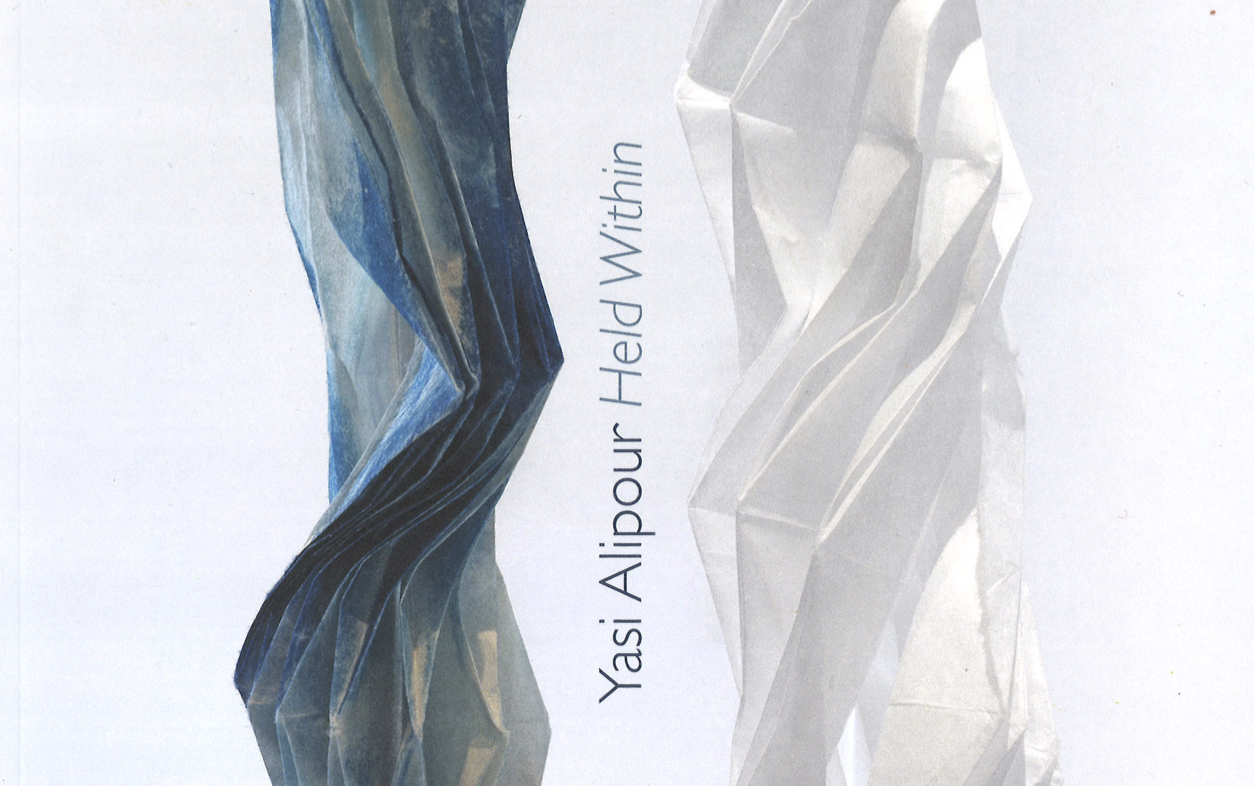
“Counting to Forget: Memory at Work in Yasi Alipour’s Tessellating Holds and Folds.”
Sareh Z Afshar. 2025. “Counting to Forget: Memory at Work in Yasi Alipour’s Tessellating Holds and Folds.” The Studio Arts Dept. at Dartmouth College, in conjunction with an exhibition on the works of their Spring 2025 Artist-in-Residence, Yasi Alipour.